
Standing in front of a jewellery counter, torn between a warm gold piece and a sleek silver one, is a dilemma almost everyone faces at some point. The gold vs silver jewellery debate isn’t new, but in 2026 it comes with fresh considerations — fluctuating precious metal prices, evolving fashion trends, and a growing focus on sustainable and skin-friendly choices. So which one should you actually buy this year? Let’s break it down factor by factor so you can make a confident, informed decision.
Why This Comparison Matters in 2026
Gold and silver aren’t just metals; they’re investments, style statements, and sometimes even sentimental keepsakes. With gold prices remaining historically high through 2026 and silver gaining popularity as a more accessible alternative, choosing between gold jewellery and silver jewellery isn’t purely about aesthetics anymore. Budget, lifestyle, and even climate (yes, humidity affects tarnishing) all play a role in this decision.
Cost and Resale Value
This is usually the first factor people consider when comparing gold and silver. Gold jewellery, especially 18k gold or 22k gold, holds its value remarkably well and is often treated as a long-term investment. Many families still buy gold jewellery during festivals specifically because it can be resold or exchanged later without significant loss in value.
Silver jewellery, on the other hand, is considerably more affordable upfront, making it appealing for those who want stylish pieces without a heavy price tag. However, sterling silver typically has lower resale value compared to gold, since its market price is far lower and resale margins at jewellers tend to be slimmer.
Quick takeaway: If you’re buying jewellery as an investment, gold remains the stronger choice. If you want trendy, frequently-updated pieces without breaking the bank, silver is more practical.
Durability and Maintenance
When it comes to daily wear, durability matters just as much as appearance. Gold jewellery, particularly when alloyed with other metals (like 14k or 18k gold), resists scratching and tarnishing far better than pure silver. It’s a low-maintenance option — a simple wipe with a soft cloth is usually enough to keep it looking new.
Silver jewellery is more prone to tarnishing due to oxidation, especially with frequent exposure to moisture, perfume, or skin oils. While tarnish-resistant silver (like rhodium-plated sterling silver) has improved this in recent years, silver generally requires more frequent cleaning and careful storage to maintain its shine.
Skin Sensitivity and Hypoallergenic Properties
For people with sensitive skin, this factor can be the deciding one. Higher-karat gold jewellery (18k and above) is generally hypoallergenic since it contains less of the alloyed metals that can trigger reactions. Lower-karat gold, however, can still cause irritation in some people due to nickel content.
Pure sterling silver is also relatively hypoallergenic for most people, though those with very sensitive skin sometimes report mild reactions to silver alloys. If allergies are a concern, look for jewellery explicitly labeled hypoallergenic, nickel-free, or made from fine silver (999 purity) rather than standard sterling silver.
Versatility with Outfits and Skin Tone
Choosing between gold and silver often comes down to what complements your skin tone and wardrobe. As a general rule, warmer skin tones tend to look radiant in gold jewellery, while cooler skin tones are often flattered by silver or white gold. That said, this is a guideline, not a strict rule — many people wear both beautifully depending on styling.
In terms of outfits, gold jewellery pairs naturally with earthy tones, traditional wear, and warm-toned fabrics, while silver jewellery complements cooler tones, monochrome looks, and contemporary or minimalist outfits. Many stylists now recommend owning both, mixing metals for a modern, layered look rather than committing to just one.
2026 Jewellery Trends: What’s Popular Right Now
Fashion trends in 2026 show a noticeable shift toward mixed-metal jewellery, where gold and silver pieces are worn together rather than treated as opposing choices. Chunky silver chains paired with delicate gold pendants, or gold rings stacked alongside silver bands, have become a signature of the current aesthetic.
Sustainability is also shaping buying decisions, with more shoppers asking about recycled gold and ethically sourced silver. Rose gold and white gold continue to trend as well, offering a middle ground between the warmth of yellow gold and the coolness of silver.
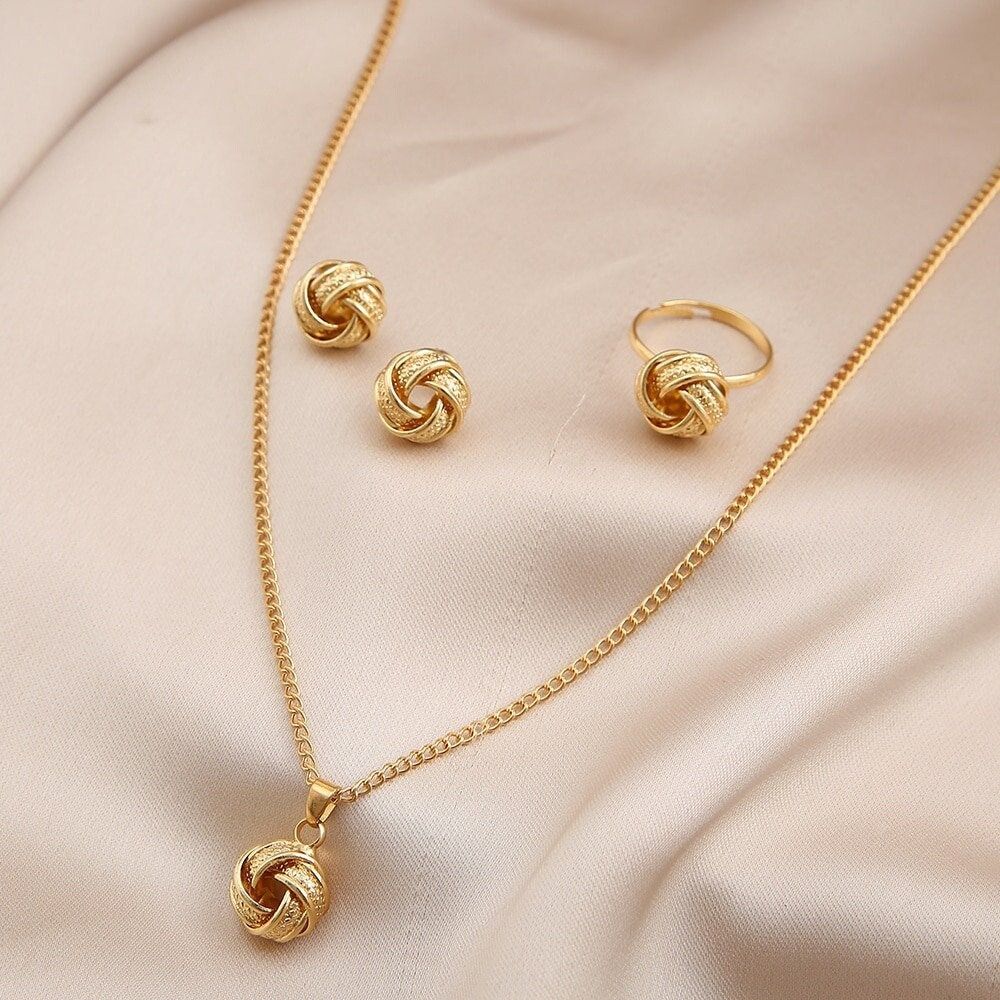
Best Occasions for Gold vs Silver
Different occasions call for different metals, and understanding this can simplify your shopping decisions considerably.
- Weddings and milestone events: Gold jewellery remains the traditional, go-to choice, especially for bridal sets and heirloom-style pieces meant to last generations.
- Everyday and office wear: Silver jewellery, particularly minimalist designs, works well for daily use thanks to its lighter feel and lower cost if lost or damaged.
- Gifting: Gold jewellery is often seen as a more significant, memorable gift, while silver jewellery makes a thoughtful, budget-friendly option for casual or younger recipients.
- Investment purposes: Gold is the clear winner here, given its stronger resale value and historical price stability compared to silver.
Common Myths About Gold and Silver Jewellery
A few misconceptions are worth clearing up before you decide. First, many believe silver jewellery is “cheap” or low-quality — in reality, well-crafted sterling silver pieces can be just as durable and stylish as gold, simply at a different price point. Second, some assume all gold jewellery is hypoallergenic, which isn’t true for lower-karat gold containing nickel. Lastly, the idea that gold never tarnishes is also misleading; while gold resists oxidation far better than silver, lower-karat gold alloys can dull slightly over time without care.
Gold vs Silver: Quick Comparison Table
| Factor | Gold Jewellery | Silver Jewellery |
|---|---|---|
| Cost | Higher | More affordable |
| Resale Value | Strong | Comparatively lower |
| Durability | High (resists tarnish) | Moderate (prone to tarnish) |
| Maintenance | Low | Higher |
| Hypoallergenic | Yes (18k+) | Mostly yes (fine silver) |
| Best For | Investment, weddings, gifting | Everyday wear, trendy styles, budget shopping |
How to Decide: A Simple Checklist
Before making your final call between gold and silver, ask yourself:
- Am I buying this as an investment, or purely for style?
- What’s my budget, and how often do I plan to wear this piece?
- Do I have sensitive skin or known metal allergies?
- Does this piece need to match a specific outfit or skin tone?
- Would I prefer low-maintenance jewellery, or am I comfortable with regular cleaning?
Final Thoughts
There’s no universal winner in the gold vs silver jewellery debate — it genuinely depends on your priorities. If you want a long-term investment with timeless appeal, gold jewellery is hard to beat. If you’re after versatile, affordable pieces that keep up with fast-changing trends, silver jewellery is an excellent choice. Many people in 2026 are skipping the either-or mindset entirely, building a wardrobe of both metals to suit different moods, outfits, and occasions. Whichever you choose, the right jewellery should ultimately reflect your personal style and how you want to feel wearing it.